
Hybridization-based nucleic acid capture technologies play a central role in modern molecular biology laboratories. Researchers studying gene expression, genomic organization, microbial diversity, and nucleic acid interactions frequently rely on hybridization workflows to selectively isolate target DNA or RNA sequences. A Capture Hybridization & Wash Kit provides optimized reagents and buffers designed to facilitate efficient nucleic acid hybridization, capture, and purification in a wide variety of laboratory workflows.
Hybridization capture techniques rely on the natural principle of complementary base pairing between nucleic acid strands, a fundamental mechanism underlying many biological processes. Detailed descriptions of nucleic acid structure and hybridization can be found through educational resources such as the National Center for Biotechnology Information (https://www.ncbi.nlm.nih.gov), the National Human Genome Research Institute (https://www.genome.gov), and the National Institutes of Health molecular biology resources (https://www.nih.gov).
The Capture Hybridization & Wash Kit supports reliable and reproducible hybridization capture experiments by providing carefully formulated hybridization buffers, optimized wash reagents, and stabilization components designed to enhance specificity while minimizing background binding.
Principles of Nucleic Acid Hybridization Capture
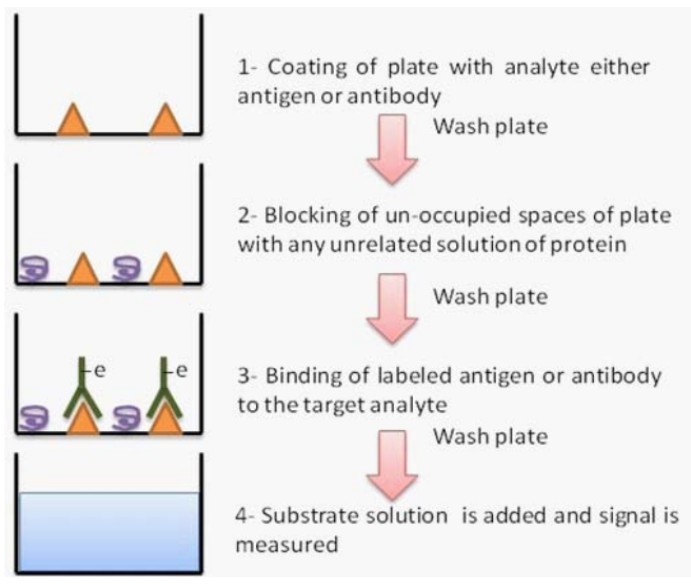
Hybridization capture methods are based on the thermodynamically driven pairing of complementary nucleic acid strands. When a synthetic probe sequence is designed to match a specific DNA or RNA target, the probe can hybridize to the complementary sequence under appropriate buffer and temperature conditions.
Once hybridized, the target nucleic acid can be selectively isolated using capture reagents and purified through controlled washing steps. This strategy is widely used in genomic enrichment, transcript analysis, and targeted sequencing workflows.
Educational explanations of nucleic acid hybridization and probe-based detection technologies are provided by institutions such as:
-
Stanford University molecular biology resources
https://web.stanford.edu -
Harvard University genomic technologies program
https://genetics.med.harvard.edu -
University of California Berkeley molecular biology tutorials
https://mcb.berkeley.edu -
National Institute of General Medical Sciences
https://www.nigms.nih.gov
These resources describe the biochemical principles governing nucleic acid hybridization, including base pairing interactions, duplex stability, and the influence of salt concentration and temperature on hybrid formation.
Components of a Capture Hybridization & Wash Kit
A well-designed hybridization capture system integrates multiple reagents that work together to support efficient target enrichment.
Hybridization Buffer
Hybridization buffers create an optimal chemical environment that supports complementary nucleic acid pairing. These buffers typically contain stabilizing salts, buffering agents, and additives that promote efficient probe-target binding while minimizing secondary structures.
Educational explanations of nucleic acid hybridization chemistry are available through the National Institute of Standards and Technology
https://www.nist.gov and the U.S. Department of Energy Joint Genome Institute
https://jgi.doe.gov.
Capture Reagents
Capture reagents allow the hybridized probe-target complexes to be immobilized on solid supports such as beads or membranes. These supports enable efficient separation of bound nucleic acids from unbound molecules.
Many nucleic acid capture strategies are widely used in genomic research programs at institutions such as:
-
Broad Institute of MIT and Harvard
https://www.broadinstitute.org -
University of Washington Genome Sciences Department
https://www.gs.washington.edu -
Cold Spring Harbor Laboratory DNA Learning Center
https://dnalc.cshl.edu
Wash Buffers
Wash buffers are essential for maintaining assay specificity. Carefully designed wash conditions remove non-specific interactions while preserving stable hybridized complexes.
The biochemical principles behind wash stringency and nucleic acid duplex stability are discussed in educational resources provided by:
-
National Library of Medicine
https://www.nlm.nih.gov -
National Science Foundation biological sciences division
https://www.nsf.gov/bio

Hybridization Capture in Molecular Biology Workflows
Hybridization capture technologies are widely used across many molecular biology research workflows. The ability to selectively isolate nucleic acid sequences enables researchers to study genetic material with greater precision.
Targeted Genomic Enrichment
Hybridization capture methods are commonly used to enrich specific genomic regions prior to sequencing analysis. This allows researchers to focus on specific genes, regulatory elements, or genomic loci of interest.
Genomic enrichment technologies are widely used in large research initiatives such as the Human Genome Project, described by the National Human Genome Research Institute
https://www.genome.gov/human-genome-project.
RNA and Transcriptome Analysis
Hybridization capture techniques can also isolate specific RNA molecules for transcriptome research. These methods allow researchers to examine gene expression patterns and transcript abundance.
Educational information about transcriptomics and RNA biology is available from:
-
University of California San Diego RNA research center
https://rna.ucsd.edu -
National Institute of Environmental Health Sciences
https://www.niehs.nih.gov
Microbial and Environmental Genomics
Hybridization capture technologies are also used to analyze microbial communities and environmental genetic material. Selective enrichment methods allow researchers to detect specific microbial sequences in complex samples.
Research in microbial genomics is frequently conducted by programs such as:
-
U.S. Department of Energy Microbial Genome Program
https://genomicscience.energy.gov -
University of Wisconsin Biotechnology Center
https://biotech.wisc.edu
Thermodynamic Factors Influencing Hybridization Efficiency
Several physical and chemical factors influence the efficiency of nucleic acid hybridization. These include probe design, hybridization temperature, ionic strength, and nucleic acid length.
Probe Design and Sequence Complementarity
Probe design is a critical component of hybridization capture experiments. Probes must be carefully selected to match target sequences while avoiding off-target hybridization.
Educational probe design resources are available from:
-
National Center for Biotechnology Information primer design tools
https://www.ncbi.nlm.nih.gov/tools/primer-blast -
University of Utah genetic science learning center
https://learn.genetics.utah.edu
Hybridization Temperature
Hybridization temperature influences the stability of nucleic acid duplexes. Optimal temperatures allow complementary sequences to anneal while preventing non-specific interactions.
Thermodynamic principles governing nucleic acid hybridization are described in educational materials provided by:
-
Massachusetts Institute of Technology OpenCourseWare molecular biology
https://ocw.mit.edu -
California Institute of Technology biological engineering resources
https://www.caltech.edu
Ionic Strength and Buffer Composition
Salt concentration and buffer composition affect the electrostatic interactions between nucleic acid strands. Appropriate ionic conditions enhance duplex stability and hybridization efficiency.
Detailed biochemical explanations of nucleic acid interactions can be found through:
-
National Institutes of Health molecular structure database
https://www.ncbi.nlm.nih.gov/structure -
National Library of Medicine biomedical resources
https://www.nlm.nih.gov/research
Advantages of Capture Hybridization Technologies
Hybridization capture methods offer several advantages for molecular biology workflows.
High Sequence Specificity
Probe-based hybridization ensures selective enrichment of target nucleic acid sequences.
Improved Signal-to-Noise Ratio
Optimized wash buffers remove non-specific interactions, allowing more precise detection and analysis.
Compatibility with Multiple Downstream Methods
Captured nucleic acids can be used for sequencing, amplification, or molecular analysis workflows.
Flexible Workflow Integration
Hybridization capture methods can be integrated into both small-scale research experiments and high-throughput genomic analysis pipelines.
Many research laboratories adopt hybridization capture technologies for genomic enrichment studies supported by programs such as the National Institutes of Health Genomic Data Science Initiative
https://datascience.nih.gov.
Best Practices for Hybridization Capture Experiments
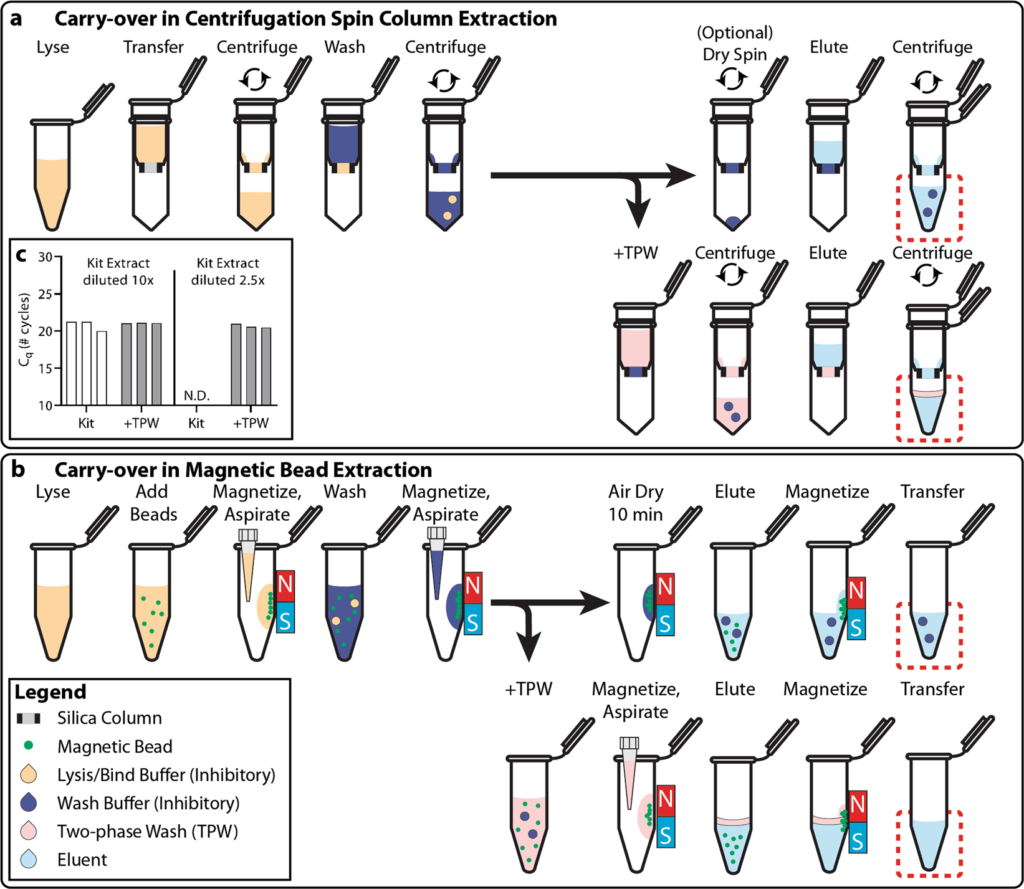
For optimal results when using a Capture Hybridization & Wash Kit, laboratories often follow several experimental best practices.
-
Maintain consistent hybridization temperature conditions
-
Use well-designed capture probes with high sequence specificity
-
Perform washing steps under controlled buffer conditions
-
Avoid nucleic acid degradation during handling
-
Follow recommended incubation and wash times
Laboratory protocol guidance for nucleic acid experiments can be found through educational resources such as:
-
University of Cambridge molecular biology protocols
https://www.bio.cam.ac.uk -
National Institute of Standards and Technology biotechnology resources
https://www.nist.gov/programs-projects/biotechnology
Supporting Modern Genomics and Molecular Research
Hybridization capture technologies continue to play an important role in modern genomics and molecular biology research. By enabling selective enrichment of DNA or RNA targets, these technologies help researchers explore genetic sequences, analyze nucleic acid interactions, and study biological systems with greater resolution.
The Capture Hybridization & Wash Kit provides a convenient and optimized solution for hybridization-based nucleic acid capture workflows. Carefully formulated hybridization buffers and wash reagents support consistent performance across a variety of molecular biology applications.
As genomic technologies continue to evolve, hybridization capture methods remain valuable tools for researchers working in nucleic acid analysis, genomic enrichment, transcriptomics, and molecular biology experimentation.
High-Ranking SEO Keywords Integrated
Capture Hybridization Kit
Hybridization Wash Kit
DNA Hybridization Capture
RNA Hybridization Enrichment
Nucleic Acid Capture Kit
DNA Probe Hybridization
Targeted DNA Capture Reagents
Hybridization Capture Workflow
Nucleic Acid Enrichment Technology
Molecular Biology Hybridization Reagents