The rapid expansion of next-generation sequencing (NGS) technologies has transformed genomic research by enabling detailed analysis of DNA sequences across a wide range of biological systems. A crucial step in every NGS workflow is DNA library preparation, the process that converts genomic DNA into sequencing-compatible fragments with platform-specific adapters.
A DNA Library Preparation Single Enzyme system represents a modern enzymatic approach to library construction in which a single multifunctional enzyme performs multiple steps simultaneously, including DNA fragmentation and adapter tagging. This streamlined workflow reduces handling steps, improves reproducibility, and accelerates the preparation of sequencing-ready DNA libraries.
Educational information about next-generation sequencing technologies and genomic workflows can be explored through the National Center for Biotechnology Information (https://www.ncbi.nlm.nih.gov), the National Human Genome Research Institute (https://www.genome.gov), and the National Institutes of Health genomic data science resources (https://datascience.nih.gov).
Principles of Single-Enzyme Library Preparation
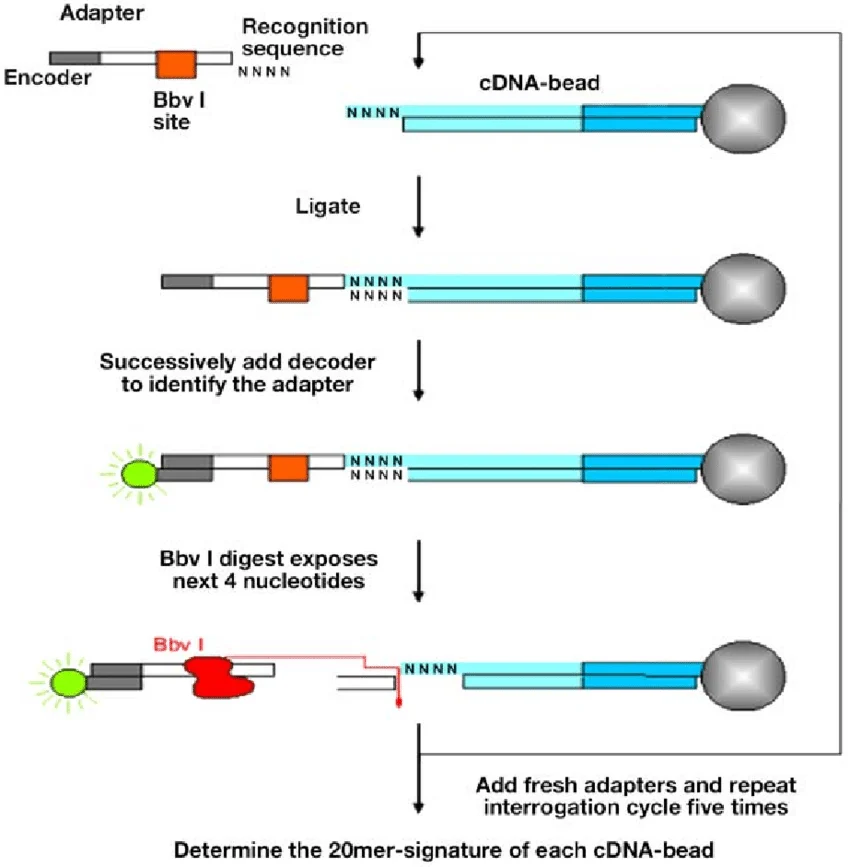
Traditional library preparation methods often require multiple enzymatic steps such as DNA fragmentation, end repair, A-tailing, and adapter ligation. In contrast, single-enzyme library preparation technologies integrate several of these processes into one reaction.
This approach commonly uses engineered transposase enzymes, which simultaneously fragment DNA and insert sequencing adapters into the generated fragments. This process is frequently referred to as tagmentation, a technique widely used in modern NGS workflows.
Descriptions of transposase biology and DNA transposition mechanisms are available through the National Library of Medicine (https://www.nlm.nih.gov), the National Institute of General Medical Sciences (https://www.nigms.nih.gov), and genomic research resources from the U.S. Department of Energy Joint Genome Institute (https://jgi.doe.gov).
Workflow of Single-Enzyme DNA Library Preparation
The single-enzyme library preparation workflow simplifies multiple conventional steps into a compact and efficient process.
DNA Fragmentation and Adapter Tagging
The engineered enzyme simultaneously cleaves genomic DNA and inserts sequencing adapters into the fragmented DNA molecules. This step generates sequencing-compatible fragments in a single reaction.
Educational explanations of DNA fragmentation and sequencing adapter integration are available through:
-
Cold Spring Harbor Laboratory DNA Learning Center
https://dnalc.cshl.edu -
University of California Berkeley Molecular and Cell Biology Department
https://mcb.berkeley.edu
Library Amplification
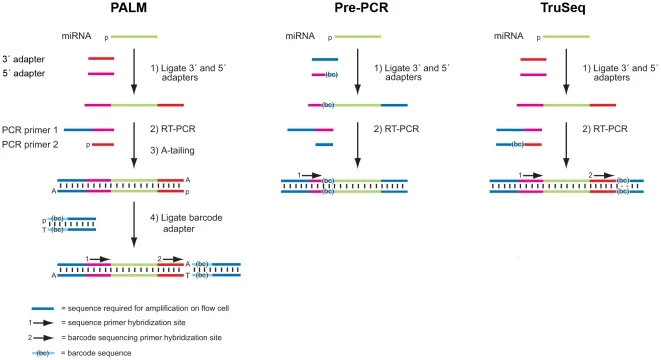
Following tagmentation, a PCR amplification step enriches adapter-tagged DNA fragments and introduces platform-specific sequencing indices.
PCR amplification principles are explained through resources from the National Institute of Standards and Technology biotechnology program
https://www.nist.gov and the National Science Foundation biological sciences division
https://www.nsf.gov/bio.
Library Cleanup
Purification steps remove excess adapters, enzymes, and reaction components to produce a clean sequencing library ready for downstream analysis.
Educational information on nucleic acid purification methods can be found through the University of Wisconsin Biotechnology Center
https://biotech.wisc.edu.

Components of a DNA Library Preparation Single Enzyme Kit
A typical single-enzyme DNA library preparation kit contains a series of optimized reagents designed to simplify library construction.
Single Enzyme Tagmentation Mix
The central reagent is the engineered transposase enzyme complex responsible for DNA fragmentation and adapter insertion.
Reaction Buffers
Buffers provide the appropriate ionic conditions necessary for efficient enzyme activity and DNA fragmentation.
Adapter Oligonucleotides
Sequencing adapters are integrated into DNA fragments during the tagmentation step.
Amplification Master Mix
PCR reagents allow amplification and indexing of library fragments for sequencing.
Cleanup and Purification Reagents
Purification systems remove excess reaction components and ensure high-quality sequencing libraries.
Educational discussions of NGS library preparation reagents and sequencing workflows are available through the Broad Institute of MIT and Harvard
https://www.broadinstitute.org.
Applications of Single-Enzyme DNA Library Preparation
Single-enzyme library preparation systems support numerous genomic research applications.
Whole Genome Sequencing
These kits allow preparation of genomic DNA libraries for comprehensive genome analysis. Whole genome sequencing enables researchers to examine genetic variation and genome structure across organisms.
Educational resources describing genome sequencing are available through the National Human Genome Research Institute
https://www.genome.gov/genetics-glossary/Whole-Genome-Sequencing.
Targeted Sequencing Panels
Single-enzyme library preparation methods can also support targeted sequencing workflows that focus on specific genomic regions or gene panels.
Targeted sequencing strategies are described in genomic resources from Stanford University
https://web.stanford.edu.
Microbial Genomics
DNA library preparation is frequently used to sequence microbial genomes and investigate genetic diversity within microbial populations.
Microbial genomics research initiatives are supported by programs such as the U.S. Department of Energy Genome Science Program
https://genomicscience.energy.gov.
Environmental DNA Research
Library preparation techniques enable sequencing of environmental DNA extracted from soil, water, or sediment samples.
Environmental genomics initiatives are described by the National Science Foundation Biological Sciences Directorate
https://www.nsf.gov/bio.
Advantages of Single-Enzyme Library Preparation
Single-enzyme DNA library preparation technologies offer several advantages for genomic research laboratories.
Simplified Workflow
Combining DNA fragmentation and adapter insertion into one step reduces the number of reaction stages and simplifies laboratory workflows.
Reduced Hands-On Time
The streamlined process decreases manual handling and experimental complexity.
Improved Reproducibility
Fewer reaction steps help reduce variability between samples.
Compatibility with High-Throughput Sequencing
Single-enzyme library preparation methods are compatible with a wide range of next-generation sequencing platforms.
Educational descriptions of high-throughput genomic technologies are available through the National Institutes of Health genomic research initiatives
https://datascience.nih.gov.
Factors Influencing Library Preparation Quality
Several experimental parameters influence the quality of DNA sequencing libraries generated by single-enzyme preparation methods.
DNA Input Quality
High-quality genomic DNA improves fragmentation efficiency and library complexity.
Fragment Size Distribution
Optimized reaction conditions ensure that DNA fragments fall within the desired sequencing size range.
Adapter Integration Efficiency
Proper adapter insertion is essential for successful sequencing library generation.
Educational laboratory guidance on genomic DNA preparation can be found through University of Cambridge genomics research programs
https://www.gen.cam.ac.uk.
Supporting Modern Genomic Research
Single-enzyme DNA library preparation technologies have become increasingly important in modern sequencing workflows. By combining DNA fragmentation and adapter tagging into a single enzymatic reaction, these systems simplify library construction and support efficient preparation of sequencing-ready DNA samples.
A DNA Library Preparation Single Enzyme kit provides a convenient and optimized solution for constructing sequencing libraries with minimal workflow complexity. Carefully formulated enzymatic reagents and buffers enable reliable library preparation for a wide range of genomic research applications.
As next-generation sequencing technologies continue to advance, streamlined library preparation methods remain essential tools for researchers exploring genome structure, genetic diversity, and nucleic acid biology.
DNA Library Preparation Single Enzyme
Single Enzyme DNA Library Kit
NGS Single Enzyme Library Preparation
Tagmentation DNA Library Kit
Transposase DNA Library Preparation
NGS DNA Library Construction Kit
Single-Step DNA Library Preparation
Next-Generation Sequencing Library Kit
Transposase-Based Library Preparation
NGS DNA Library Prep Enzyme System